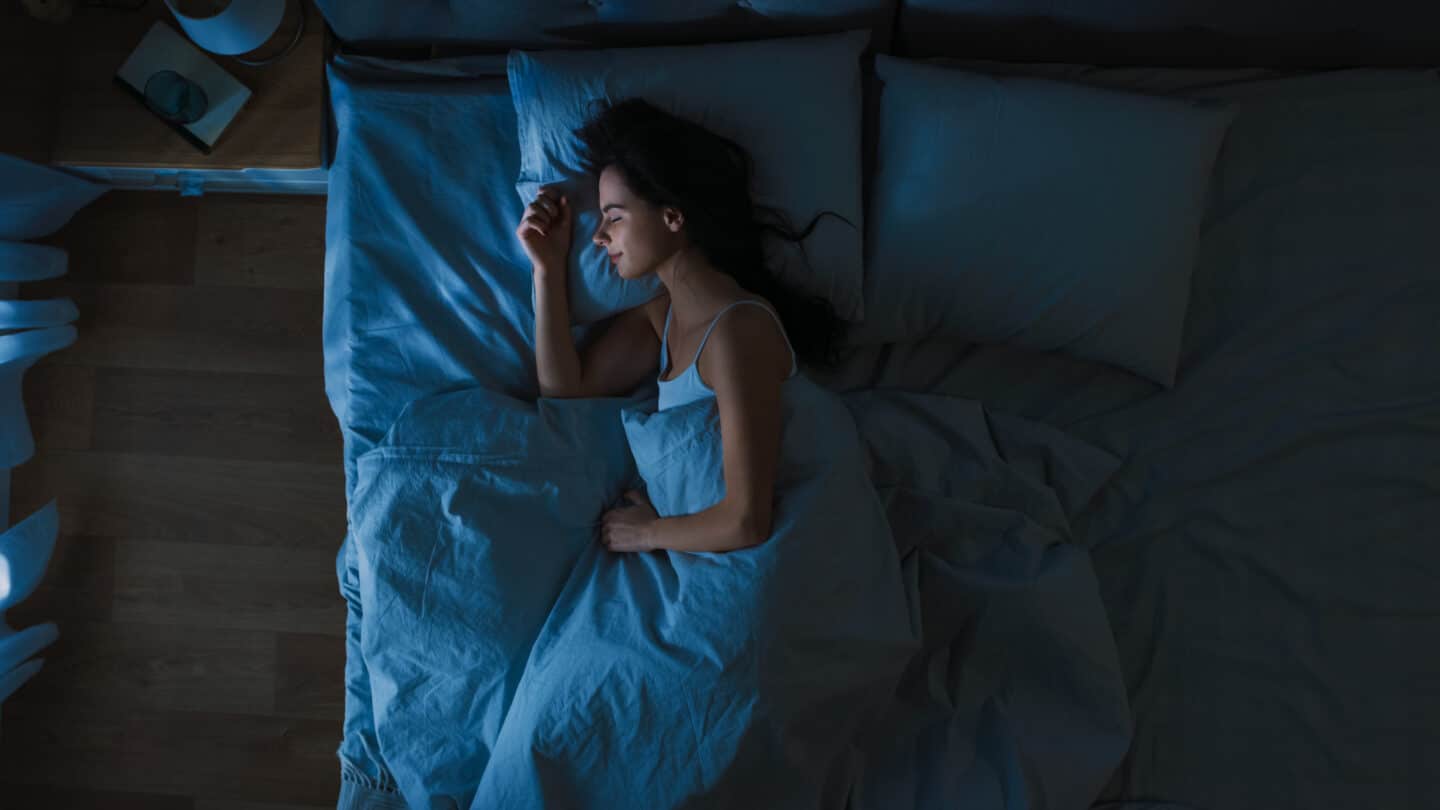
Getting a good night’s sleep is not just about retiring early or getting a set number of hours of sleep. In fact, the place you sleep in has a huge bearing, and light is a much bigger factor than most people acknowledge. The following are science-supported reasons why a darker room makes such a distinction when sleeping.
1. Helps Your Brain Release More Melatonin
Your brain dumps melatonin into your body when it gets dark, which is one of the core biological reasons sleeping in darkness works so effectively. This hormone signals to your brain that it is time to throttle back and go to sleep.
But bright lights, screens, or soft lamps in the room can stop melatonin from rising. It’s harder to fall asleep and jump when there’s a delay caused by not sleeping in the dark.
A refreshing, healthy breeze requires your body to try to fall asleep. It also sustains your immune system and supports your body when sleeping in darkness becomes a nightly habit.
2. Supports Better Hormone Balance
But light at night doesn’t impact melatonin alone. It also changes your levels of other hormones that affect stress, metabolism, and recovery processes that take place in your body. Even a tiny bit of light can elevate your cortisol, and your sleep becomes less and less deep.
When the darkness in your room persists, your brain gets a signal that it is secure enough to release everything and truly rest, reinforcing why darkness is important for sleep. Stress hormones remain low, your nervous system calms down, and your body operates the way it should through sleeping in darkness.
3. Helps Your Metabolism and Heart Work Better
Research indicates that sleeping with relatively low light throughout the night influences how your body deals with sugar the following day, showing clear health benefits of sleeping in the dark. If your insulin sensitivity declines, it is easier to gain body fat and more challenging for your system to maintain energy balance.
A dark environment also allows your heart, in particular, to rest. Your blood pressure decreases more normally, and your heart has the chance to heal on its own. This consistent, deep rest aids in the decrease of inflammation and the promotion of overall heart wellness.
Must Read: How to Prevent Heart Disease With Simple Daily Habits
4. Strengthen Memory and Learning
Your brain actually does the most crucial maintenance work while you sleep, and darkness can help this process flow more smoothly. As a result, people who sleep in dark rooms frequently report the best performance the next day in activities that require focus or recall.
Dark conditions in the morning encourage slow-wave sleep, which facilitates the removal of toxins from the previous day and enhances psychological acuity. As a result, you may awaken more focused, with a clearer mind, and better able to solve problems thanks to sleeping in darkness.
Related Article: How to Boost Your Focus and Memory With Simple Daily Routines
5. Supports Your Emotional Well-being
Inadequate rest makes your brain’s mood swings more violent and makes stress more tedious. Gradually, these factors will change how you respond to problems or people with whom you interact.
When your chamber is completely dark, your body will complete a full sleep cycle, stabilize your mood, and activate the neurotransmitter that keeps you calm and stable. This highlights the benefits of sleeping in a completely dark room.
You will be more secure on your feet, more patient, and able to support most of the day. Simple solutions, even blackout curtains or lights out in the corridor, can help restore emotional balance.
Create a Sleep Environment That Works for You
One of the easiest ways to protect the sleep and health of loved ones is to make the bedroom dark. With less extraneous light, your body will be able to achieve complete relaxation more effectively, and in the morning, you will feel not just rested but alert, fresh, and ready for life. The benefits are huge, and you probably won’t want to go back to the light after the first time.


