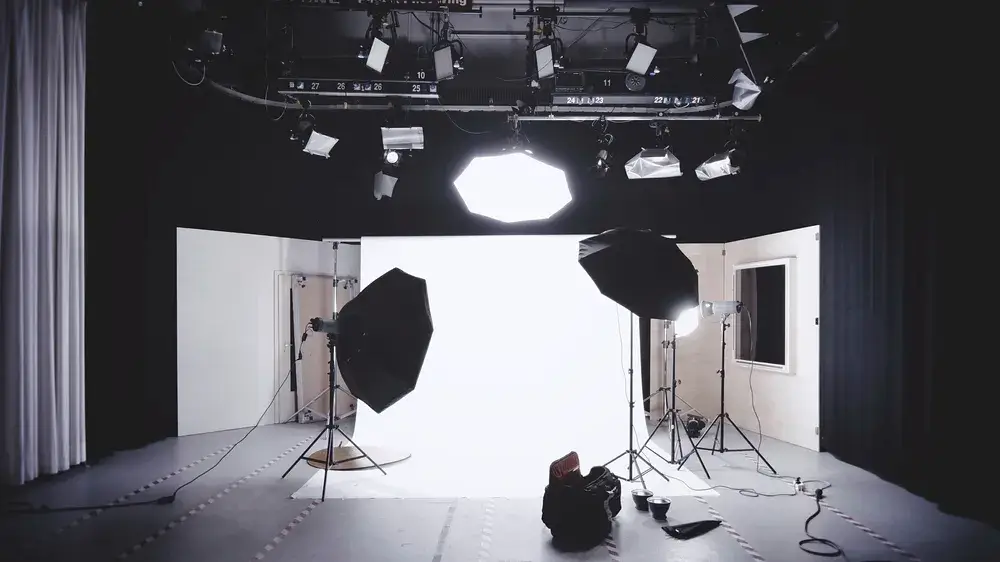
The light is responsible for every single thing you see in a photograph. It transforms the hues, the focus, the vibe, and essentially the whole picture.
As you become more aware of the light’s behavior, your photos no longer communicate the thought of a tragic occurrence. But they start to look more thoughtful and prepared. This overview cruises through the basics to realize why smart lighting is a game-changer in photography.
1. Changes the Mood of a Photo
Perhaps 65% of people look more engaging in images taken with soft, warm light, which is why the golden hour is the favorite time when learning to use light to create mood in photos. Soft light colors the subject so lightly, gently smoothing out the skin and making the shadows light.
In contrast, harsh light colors the subject with strong, dark shadows. For example, the noon sun colors the subject brightly, but the shadows are dark due to the intensity. Once you realize these differences, lighting allows you to pick the mood you want instead of letting the sun or room lighting decide it for you.
2. Helps You Shape Shadows
Shadows are not just about the dark area—they are what help you see the shape of your subject and how light and shadow make it look three-dimensional. But where the light casts a shadow is also where the light hides, and the detail you want the viewer to see is never shadowed.
Light direction results in a 36.3% change in perceived shape, according to some research in ScienceDirect. This is the difference that shadow management can make.
3. Affects Colour More Than You Think
The colors in your photos are determined by the light source you used to get the picture, reinforcing how light affects photography. The primary colors used in a spectrum are due to the light you are shooting with, and natural daylight provides the most accurate colors.
If you are inside, the colors may look off due to the type of light. For example, lights in a house can be warm or cool, changing the colors straightforwardly. The color temperature of the light source helps you fix the photographs when applying photography lighting techniques.
4. Decides How Much Detail You Capture
Most texture variations are only visible at a particular light angle. When the light comes from behind the photographer, very few details show.
Indeed, the IEEE research states that the light disposition improves the subject’s clarity up to 30%. This means you can add or hide details in your photos by changing the light angle, using controlled photography lighting techniques.
Must Read: What Happens When Luxury Travel Meets Preventive Health
5. Creates the Feeling of Depth and Space
Photographs may be flat, but with good lighting, they may seem more stratified and three-dimensional. The perfect play of front and backlights, highlights and shadows, or specifically positioned light can make the scene seem more complete.
According to Harvard Vision research, stratified light can improve the depth of an object by up to 50%. This is also important for living photographs since the right depth leads the eyes through the frame as nature intended.
6. Pulls Out Emotion
Different light means different emotions. For example, warm light appears to be cozy and welcoming, while cool light feels more distant and peaceful.
According to an APA study, images’ emotional reactions can differ by over 60% exclusively based on light temperature. Once again, lighting in photography creates the story before anyone has even seen the object.
Must Read: 6 Hidden Signs of Loneliness and How to Overcome Them
Light Is the Tool That Changes Everything
Learning how light affects your photos will change the way you look at scenes. It is not until you pick up your camera and lift it to your eye that you realize its direction, its softness, its color, and how it casts shadows. You can quickly get snapshots or create plan shots in minutes, which are more precise, more colorful, and stronger when you learn how the light works and ways to control it.


