
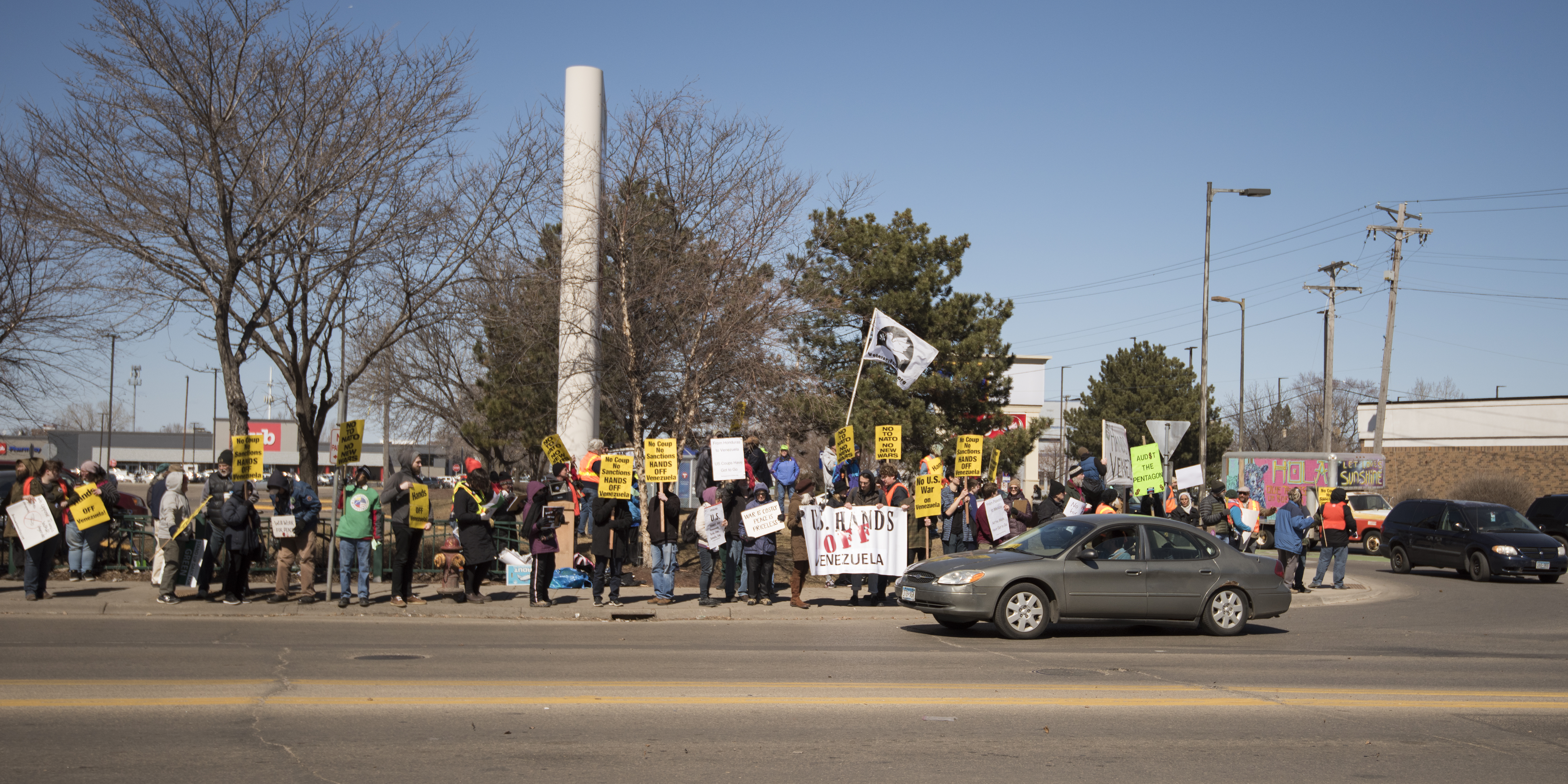
People frequently discuss US intervention in Venezuela as a reaction to the current political crisis. But when you consider history, a different picture emerges. Looking back at the past can help justify why history’s echo seems so repeated today. History teaches that what’s taking shape here fits a cycle the United States has been through many times in the past.
1. Strategic Interests Have Always Played a Central Role
Some cases of involvement have been related to strategic and economic interests in the region. Venezuela’s significant oil reserves have made it a focus of attention in Washington for decades, shaping US intervention in Venezuela through energy security and influence rather than rhetoric alone.
According to historical records, Venezuela was providing the US with nearly 10% of its oil imports. That dependence had rendered the country strategically important for decades and tied policy decisions closely to US foreign policy in Latin America.
2. Economic Pressure Has Been the Go-To Strategy
The United States has typically marched first with sanctions and economic constraints rather than military force. Though these measures are described as targeting political leaders, their effects extend far beyond government houses and are central to US sanctions on Venezuela.
Economic research demonstrates that a wide-ranging set of sanctions can reduce national income by 30–50% over a few years. In Venezuela, curtailed access to global markets has reshaped daily routines and highlights the long-term effects of US intervention in Venezuela.
3. Regime-Change Language Follows a Familiar Script
Demands for political change in Venezuela are nothing new. It has been typical of American foreign policy to use similar language when dealing with leaders portrayed as threats, reinforcing the broader history of US intervention across the region.
Regime-change language has been used in more than 20 major US foreign policy events since the mid-20th century. Venezuela fits into that historical pattern, rather than standing apart from it, raising questions about why the US intervenes in Venezuela.
4. Military Signals Often Reinforce Diplomatic Pressure
Even without open military action, signaling still matters. Public statements, exercises, and deployments communicate intent without crossing official lines.
Defense data shows military posture can increase by up to 40% during periods of diplomatic conflict. In Venezuela’s case, these signals support economic and political coercion simultaneously.
Must Read: A Practical Guide to Travel Planning During US-Iran Conflicts
5. Civilian Impact Is Often Underestimated
History suggests that when intervention campaigns falter, civilians bear the cost. Sustained pressure often leads to reduced imports, higher inflation, and weaker public services, deepening the Venezuelan political crisis.
Studies on sanctioned countries show civilian suffering rises by 25% or more within three years. These outcomes frequently persist long after policies shift, revealing recurring patterns of US foreign intervention in Latin America.
Related Article: What Happens Next in Venezuela After Major Political Changes Unfold
6. International Pushback Follows a Predictable Pattern
Global reactions to American intervention are usually vocal. International bodies often raise concerns about sovereignty and legality, and Venezuela has triggered familiar criticism linked to US intervention in the country.
Historical reviews show more than 60% of US-led interventions faced official condemnation. Despite this, external pressure has usually failed to alter policy direction on the ground.
7. Long-Term Results Rarely Match the Original Goals
One of history’s clearest lessons is the unpredictability of intervention outcomes. Political instability, economic harm, and lasting tension are common long-term effects, and Venezuela reflects this same uncertainty tied to US intervention in the country.
Less than 30% of past interventions achieve their stated long-term goals within a decade. This gap between intention and outcome continues to shape policy thinking today.
History Provides Context, Not Just Criticism
To understand the US role in Venezuela, one must look past the immediate headlines. Conditions, of course, vary, but the basic approach tends to be pretty constant. Studying previous interventions not only helps to illuminate current tensions, but it also raises a more difficult question.


