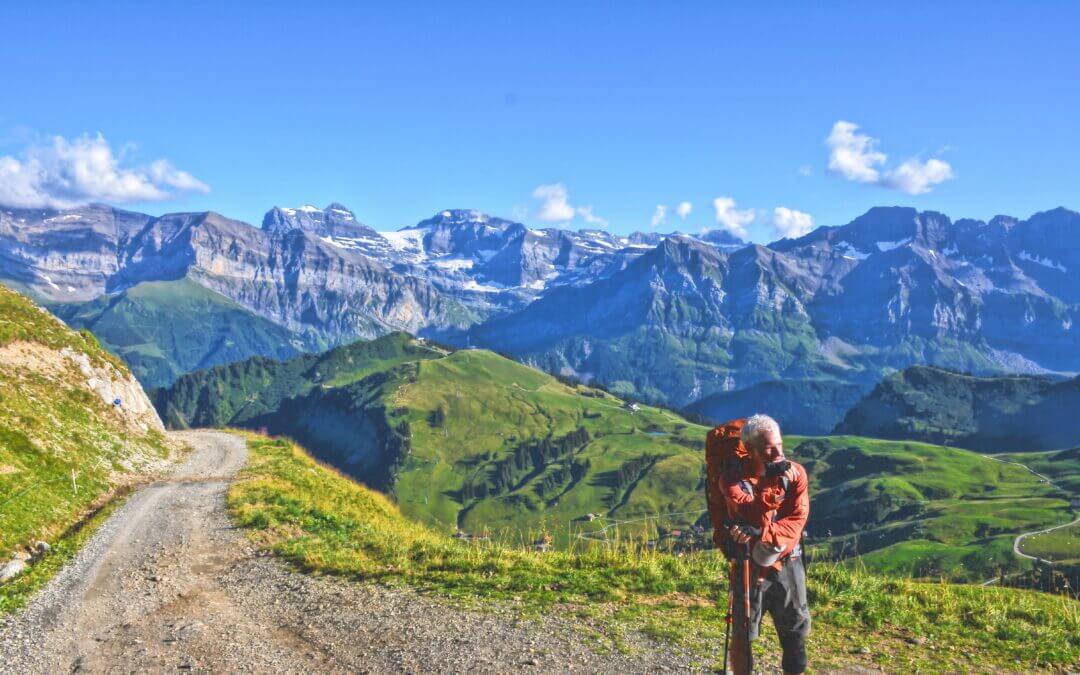
The number of people traveling alone is increasing, but how they travel is changing as much as where they go, with slow solo travel becoming more common. A Forbes article claims more travelers are embracing leisure at a slower pace and hitting only one or two destinations to eliminate stress and maximize experiences.
If you’ve ever worn yourself out trying to “see everything,” slow solo travel provides an alternative. Below, you can read about how to travel slowly and solo without feeling rushed by applying how to travel solo slowly in practice.
What “Slow Travel” Actually Means for Solo Travellers
Slow travel is like choosing depth over distance. Instead of traveling every few days, you stay put long enough to understand the rhythm, rituals, and everyday life on the ground. It’s a strategy that helps to mitigate decision fatigue and allows you to move in a truly comfortable way.
To understand how this is different from traditional tourism, it’s useful to contrast both styles directly:
| Aspect | Fast-Paced Travel | Slow Solo Travel |
| Daily schedule | Packed with attractions | Flexible and open |
| Length of stay | Short (1–3 days) | Extended (1–4+ weeks) |
| Transportation | Frequent movement | Fewer transitions |
| Experience focus | Sightseeing | Daily life and rhythm |
| Stress level | Often high | Generally lower |
Choosing Destinations That Support Slow Solo Travel
Studies cited by Forbes suggest that extended visits to areas with robust local infrastructure reduce stress and enhance satisfaction for travelers, which benefits stress-free solo travel. When it’s easy to navigate daily existence, you don’t feel compelled to race through it.
To select destinations that truly flourish with the slow solo travel experience, here are a few things to zero in on:
- Walkable neighborhoods: You won’t need to plan extensive transportation logistics to run errands and explore.
- Reliable public transport: You’re not stuck renting a car or fiddling with schedules.
- Affordable long stays: Monthly pricing makes extended travel accessible.
- Local cafés and markets: Frequent visits breed familiarity and light social interaction.
- Safe, lived-in areas: Residential zones feel calmer than tourist-heavy districts.
Must Read: Where To Go For Your Next Exciting Girls’ Trip Adventure
Planning Less Without Feeling Unprepared
Travel behavior studies from the UN World Tourism Organization found that travelers with flexible plans experience greater enjoyment and solo travel without burnout, particularly for longer trips. You miss out on the freedom that supposedly provides when you schedule every hour, which undermines slow solo travel.
Underplanning doesn’t imply no planning. You substitute inflexible timetables with the odd set piece, which will provide some grounding while leaving days open to simply be. To remain ready without becoming overwhelmed, employ an effortless planning framework:
- Arrival logistics: Transport, SIM, first-day basics
- First-week accommodation: Stable base while adjusting
- Neighbourhood orientation: Shops, cafés, transport nearby
- One priority experience: Flexible anchor, not obligation
Staying Longer in One Place: The Core of Slow Travel
Extended visits are the building blocks of slow solo travel. The longer you stay, the less like a visitor you feel and the more familiar your surroundings become. This helps reduce pressure, and it allows for habits to develop naturally.
Extended stays also carry financial advantages. According to data from Numbeo and pricing trends for Airbnb, weekly or monthly rates are often substantially cheaper than booking a night at a time, making budget slow solo travel more achievable. Less movement also leads to lower transportation costs.
To pair your ambitions with the length of your stay, here’s a general guideline:
| Travel Goal | Recommended Stay |
| Cultural immersion | 3–6 weeks |
| Creative work or rest | 1–3 months |
| Language learning | 1–2 months |
| Casual exploration | 2–4 weeks |
Accommodation Choices That Reduce Stress
Where you stay determines whether your days feel calm or chaotic. Solo travelers who stay for more than two weeks are looking for comfort, routine, and privacy rather than a glitzy room with fancy facilities, according to long-stay travel data highlighted by Forbes. When your space encourages living in it, things slow down by themselves, reinforcing a slow travel lifestyle.
Select a location with lodging that provides the following, if you wish to promote leisurely solo travel:
- Kitchen access: Simple meals and routine eating
- Laundry facilities: Fewer errands and packing stress
- Quiet private space: Rest, work, and recovery
- Monthly pricing: Lower costs, longer stays
- Residential location: Lived-in, calmer neighbourhoods
Building a Gentle Daily Rhythm When You’re Alone
Psychological studies tell you that small habits have the power to change your life, which is vital for slow solo travel. Simple routines can minimize anxiety, be calming, and promote emotional well-being in times of transition, supporting mindful solo travel. When you’re on the road alone, rhythm gives shape without pressure.
Without the routines, days blend into one another or can feel unproductive. There’s a gentle rhythm that allows you to experience slow travel without feeling like you’re wasting time or FOMOing your way through anything.
Stay on top of your days without rushing by making these small adjustments:
- Start mornings the same way each day.
- Plan only one main activity daily.
- Leave afternoons mostly unstructured.
- Include daily movement like walking.
- End evenings with familiar routines.
Managing Loneliness Without Over-Scheduling
Solo travel can be lonely, even if you are the type who likes to be alone. Studies on the satisfaction of solo travel have shown that extended stays reduce feelings of loneliness by offering repeated opportunities for interaction and familiarity.
Constant motion, on the other hand, makes connection more difficult, especially when practicing traveling alone at a slow pace. Overbooking your social calendar may result in fatigue rather than increased connection. Slow travel is easier when sociability, not isolation, comes naturally through repetition and shared spaces.
If you’re seeking connection without commitment, keep it straightforward and low-key while embracing slow solo travel tips:
- Visit the same café regularly.
- Join a language or cooking class.
- Use coworking spaces casually.
- Attend walking tours or workshops.
- Engage with local markets or events.
Related Article: 6 Hidden Signs of Loneliness and How to Overcome Them
Budgeting for Slow Solo Travel
Solo travel may slow things down a bit, but slow travel can often make it easier to budget, since your costs are more predictable. The longer you stay in any one place, the more money you save on daily transport and on high nightly lodging prices. Such savings can help you have more control over spending in your everyday life.
It’s also free money that gives you flexibility when spending. Although cooking some of your meals is a necessity, as is using minivans for local transport and opting for low-cost daily activities, you won’t feel restricted at all. Eventually, you will realize that travelling has transformed into a lifestyle rather than just a splurge during an extended holiday.
Letting Go of FOMO and Travel Pressure
FOMO tends to stem from comparing your trajectory with what you view online or what others expect, which can undermine slow solo travel. Slow travel encourages you to find the new meaning for what an experience is, and not spoon-feed what has been packaged by social media. You don’t have to witness everything to feel whole.
Travel is calmer and more enjoyable when you let go of the pressure to maximize each day. Skipping things or taking time to rest keeps you present and engaged. It allows you to go through your journey guilt-free.
Safety and Self-Care When Traveling Slowly Alone
Research on travel safety tells you that familiarity with the neighborhoods and habits mitigates risk more than constant action does, which aligns with planning slow solo trips. When you are grounded, you sniff out changes more easily.
Self-care is also easier when your day follows consistent patterns. Consistent sleep, meals, and rest help you remain alert and self-assured when travelling alone.
To support safety and well-being, concentrate on practical practices that dovetail with solo travel without rushing:
Learn Local Patterns
Be observant about your neighborhood’s daily rhythms. Understanding your normal makes it easier to detect when something feels not quite right.
Maintain Regular Check-Ins
Stay in contact with someone at home. Gentle check-ins help reassure you without interrupting needed independence.
Trust Your Intuition
If it feels wrong, take a step back. When you’re traveling slowly, that decision not to move quickly is a more natural one.
Balance Openness With Boundaries
It helps to be friendly, but guard your personal space. Solid boundaries give confidence and safety.
Slow Solo Travel Is About Presence, Not Productivity
Traveling slowly on your own isn’t about doing less—it’s about being more, which is the essence of slow solo travel. When you eliminate rushing, you make space to see the details, create routines, and relish in casual moments, supporting how to travel solo slowly in real life.
Slow solo travel is best when you let your pace dictate and can just go with it, whichever way the journey unfolds.


