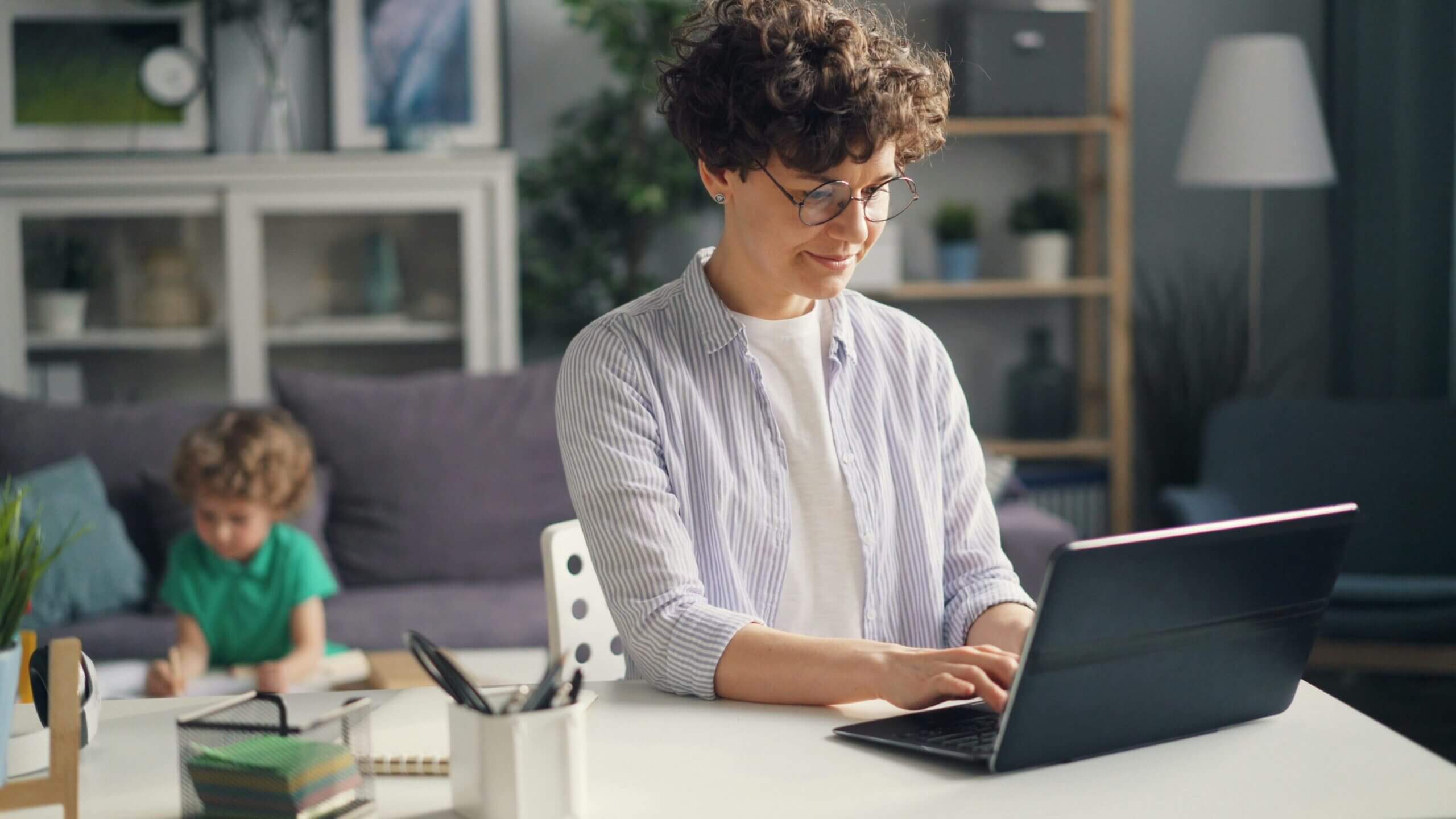
Remote work is now a permanent part of the modern workforce, thanks to the pandemic. But with change comes new trends, which are causing a revolution in the future of working. These trends are being adopted by companies more and more as they change their environment. Here are six remote work trends that are changing how you work.
1. The Rise of Hybrid Work Models
Spreading work between offices and homes is now the norm. Workers say companies are leaving behind purely in-person or remote structures because they realize that there are upsides to flexibility for employees. According to McKinsey & Company, 60% of workers would like a hybrid model post-pandemic, making these shifts part of broader remote work trends.
This hybrid method is feasible for companies to offer flexibility and have in-person collaboration whenever it is required. Companies can get and keep the best employees by giving them this kind of freedom.
2. Increased Use of AI and Automation
Remote work is now increasingly incorporating the importance of AI and automation. Tools that use artificial intelligence to automate tasks simplify management and ensure smoother operations. Trello and Slack are powerful collaboration tools that use AI to give users control over automation.
A PwC survey finds that 60% of executives see AI as strategically important to their organizations. AI, as it advances, will have an increasing impact on the way remote teams collaborate.
3. Mental Health and Well-being Focus
It’s easy for your personal and professional lives to mix when you work from home, which can make you burn out. There is a growing awareness of mental health that benefits both individuals and businesses. Companies offer therapy, mental health days, and sometimes even fitness plans, all now widely recognized remote work trends.
Researchers at Gallup found that workers who are happy and healthy are 23% more productive than workers who are unhappy and sick. It’s better for the mental health of workers but also better for business, further proving how remote work is changing.
4. Remote Work Technology Advancements
Remote work depends on electronics. Software platforms like Slack, Microsoft Teams, and Zoom have given rise to operations scattered around the world that, of necessity, are learning how to work in concert, reinforcing many trends behind remote work.
Virtual and augmented reality are also playing a significant role. TechCrunch writes that in the not-so-distant future, VR/AR will allow teams to gather together regardless of where they are.
5. Flexible Working Hours
The excellent thing about working from home is that you can make your own hours. To the extent that more and more companies allow for flexible hours, 9-to-5 is out of date. It is one of the most common trends in remote work today.
This flexibility is crucial for maintaining a healthy work-life balance, as it allows you to effectively balance your professional and personal lives. That just might make you a happier, more effective worker.
6. Cybersecurity Considerations
Cybersecurity has become a major concern for many, with ever more people working remotely from home. Companies are also implementing stronger security measures, such as VPNs and MFA, to safeguard employees’ personal information.
According to Norton, cybercrime spiked by 600% during the pandemic because more people worked from home and these scammers had more opportunities to cash in. With an increasing number of remote work employees, security must now be a focus to safeguard information and the trust of workers
Adapting to the Future of Work
The nature of work is evolving, with the majority of individuals now working remotely. In the same way, businesses can create a productive and long-lasting remote work environment by using hybrid models and AI tools and putting the health and happiness of their employees first. Businesses can gain a competitive edge in the new era by offering both protection and flexibility as remote work trends continue to grow.


