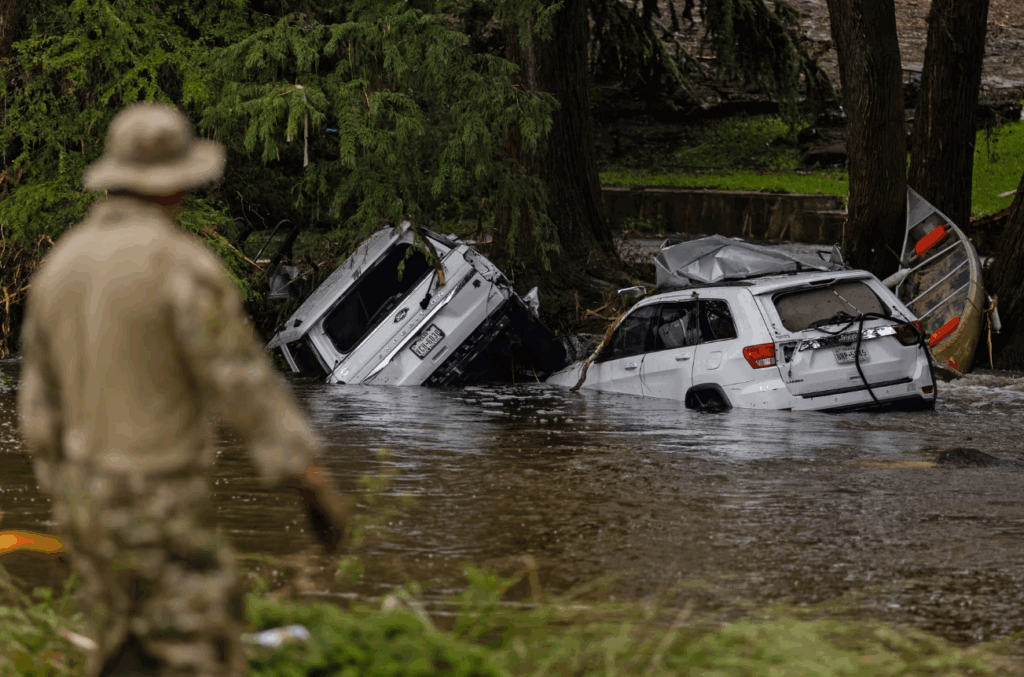
Texas is once more confronted with the ruthless power of nature during the Texas flood catastrophe 2025. This past July 2025, destructive flash floods ravaged the state in the Texas flood catastrophe 2025, claiming more than 100 lives and leaving a minimum of 160 missing. Entire communities were inundated, emergency infrastructure was crippled, and thousands of homes were rendered homeless during the Texas flood catastrophe 2025.
But beyond the raw destruction, the flood poses some vexing questions—ranging from climate readiness to infrastructure collapse after the Texas flood catastrophe 2025. Here are five tough lessons of the Texas flood calamity—and what has to be different so that the next calamity following the Texas flood catastrophe 2025 is not worse.
1. Climate Disasters Are the New Normal
This isn’t some freak weather phenomenon—it’s a trend connected to the flash floods climate change impact. Scientists verify that climate change is making storms stronger and pouring more rain into shorter amounts of time during the flood catastrophe 2025. Texas has seen five 100-year floods in the last decade alone. Warmer air can hold more moisture, so these “historic” floods occur more often.
The takeaway? Extreme weather is no longer an occasional exception, but an ongoing danger shaped by the flash floods climate change impact. Communities need to be designed to resist it.
Must Read: Why Migration Continues to Reshape Economies Around the World
2. Emergency Infrastructure Is Unprepared
Most of the areas worst affected by the floods had poor drainage facilities, flood walls, and warning systems in spite of past warnings, highlighting the emergency infrastructure failure during floods. The rescue teams could not reach the indoors-trapped residents because shelters were flooded too during the flood catastrophe.
A 2023 review of Texas disaster preparedness plans determined that 62% of counties’ emergency plans were underfunded or outdated. This is a key factor in the emergency infrastructure failure during floods. Governments and FEMA must now take into account this failure—and make spending a priority on resilient infrastructure.
4. Vulnerable Communities Take the Hit
The flooding was not uniform across all neighborhoods, with vulnerable communities affected by flooding experiencing the worst outcomes. Poor, rural, and minority communities were the hardest hit during the flood catastrophe 2025. Some lacked flood insurance or immediate access to assistance.
This contributes to a broader trend of environmental injustice, especially for vulnerable communities affected by flooding. Absent targeted assistance and more robust policies, these communities will keep getting hit with the worst of future climate catastrophes.
4. Disaster Communication Still Falls Short
Residents in most of the affected regions complained about being issued delayed or piecemeal warnings of the danger of the storm during the flood catastrophe. Some were instructed to stay indoors, only to be rescued hours afterward from rooftops.
Texas requires an overhaul of its emergency alert system on a system-wide basis—something that incorporates text, sirens, social media, and local radio for minute-by-minute updates as part of improved flood disaster preparedness and response.
5. Recovery After the Flood Requires Long-Term Vision
When the waters recede, the work starts after the Texas flood catastrophe 2025. Neighborhoods will rebuild, cities will fix roads, and state governments will have to devise long-term solutions tied to Texas flood disaster preparedness and response.
Experts suggest solutions to include building homes on stilts, strengthening zoning regulations, restoring wetlands, and diverting development from floodplains. With no bold, forward-looking recovery plans, the same communities will flood again—and again after future versions of the Texas flood catastrophe.
Federal and State Responses
Following the disaster, Texas Governor Greg Abbott issued a state of emergency and asked the federal government for support after the Texas flood catastrophe 2025. FEMA resources have been sent out, but critics label delayed and inadequate funding.
Related Articles: How Checking Weather Forecasts Can Help You Plan Better Trips
Learning Hard Lessons From the Texas Flood Disaster
The Texas floods in 2025 are a disaster—but a warning sign amplified by the Texas flood catastrophe 2025. At the pace of climate change now, these disasters will become only more normal. Government, society, and citizens must get ready, and quickly. That means smarter infrastructure and improved care to vulnerable populations. The price tag on inaction is no longer in theory—it’s tallied in dead bodies and leveled cities. The time for action isn’t soon—it’s today.


