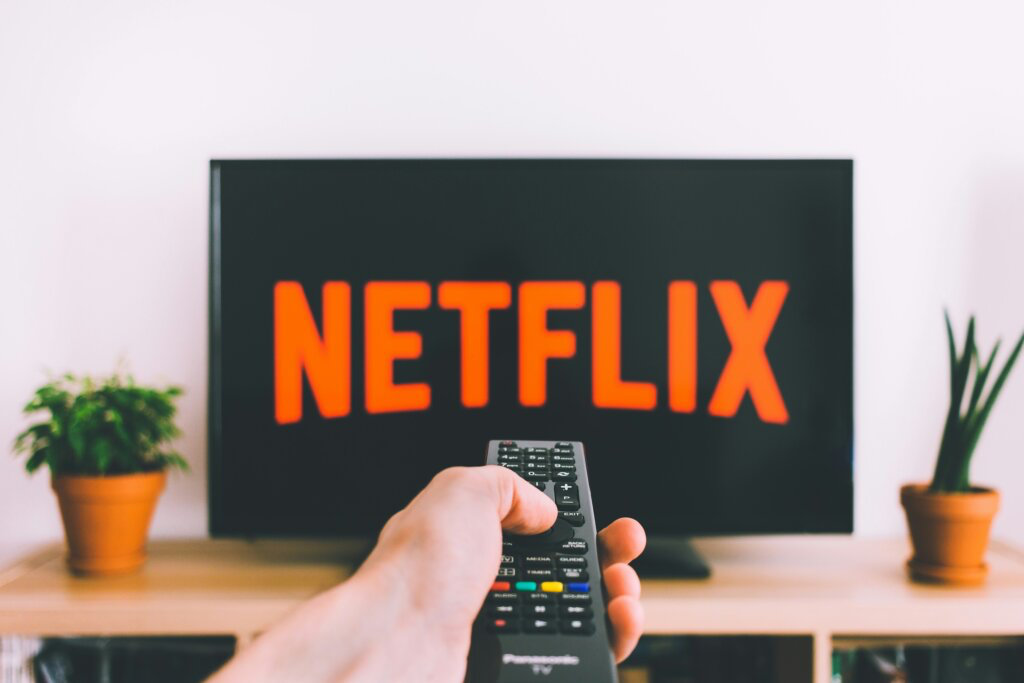
Streaming platforms such as Netflix have changed the face of entertainment by having the world at people’s fingertips at warp speed. However, in today’s precarious trade environment, their business models are under siege.
Global trade disruption streaming services now face pressure across content, data, and revenue models.
As nations turn up the screws and implement tariffs on digital goods and media, platforms need to reimagine their model to remain in business. So how do Netflix-type companies thrive in the new evolving scenario? Six winning strategies to ride out the global trade gales are outlined below.
This shift highlights the impact of trade policies on streaming platforms worldwide.
1. Double Down on Producing Local Content
The most pragmatic solution to how streaming services can circumvent trade restrictions is to double down on producing local content. By producing shows and movies locally in the countries they are operational in, they sidestep their reliance on cross-border international licensing and tariff-sensitive distribution.
This approach directly supports global trade disruption streaming services seeking long-term stability.
Netflix has already gone down that path, with French hits such as Lupin, Spanish hits such as Money Heist, and South Korean hit Squid Game. Such programs are not merely lip service exercises—rather, they also build up local audiences and brand stickiness.
This reflects a proven local content strategy for streaming companies, like Netflix.
Developing content out of local culture is not only compliance but also addresses niche markets global releases may otherwise overlook.
Must Read: 10 Meaningful Hobbies That Support Personal Growth
2. Partner with Regional Studios and Platforms
Strategic collaboration with local studios, broadcasters, and telecommunication companies is another method of circumventing trade bottlenecks. Joint ventures enable access to local infrastructure, talent, and local audiences without incurring import taxes or regulatory issues.
Such alliances strengthen global trade disruption streaming services during uncertain market conditions.
Partnerships also enable companies to diversify risks and achieve faster entry into highly regulated media markets. Co-productions, for instance, can enable Netflix to bring in content under local brands, thus dispersing its reputation as a foreign company.
This model shows how Netflix handles global trade restrictions in sensitive regions.
Such alliances make the platforms more robust and build positive relationships in politically volatile areas.
3. Move Infrastructure and Data Operations
Restrictions on trade usually land on the data backbone of streaming platforms—servers, content delivery networks (CDNs), and data centers. By moving infrastructure to cooperative or neutral nations, companies can minimize exposure to adversarial trade policies.
This operational shift supports global trade disruption streaming services facing regulatory fragmentation.
Others and Netflix already began investing in local data centers in order to accelerate access and respond to local data sovereignty regulations. Decentralization also enhances streaming quality, providing customers with a superior experience.
Long-term, these infrastructural shifts not only avoid tariffs but also future-proof operations against changing cybersecurity and privacy requirements.
4. Personalize Subscription and Payment Models
Financial and regulatory instability has long resulted in payment problems and currency exchange. Providing local payment options—mobile billing, digital wallets, or prepaid cards—can result in reliable revenue despite them.
This flexibility is critical for global trade disruption streaming services operating in emerging economies.
Moreover, modifying subscription models to fit regional income levels or media consumption habits can propel growth in emerging economies. Mobile packages only in India and Southeast Asia, for instance, have been phenomenally successful.
By being open and adaptable to price and payment, platforms stay open and profitable even in turbulent trade conditions.
5. Drive Digital Trade Protections
While reactive measures are also warranted, streaming platforms need to play offense as well. Working together with policymakers, trade associations, and global coalitions to drive more transparent and equitable digital trade regulations is essential.
This advocacy shapes the future of global trade disruption streaming services.
Netflix, Amazon, and Disney+ can join forces to advocate for new trade agreements that are in line with the digital economy’s requirements. Otherwise, old rules will hold back innovation and confine content sharing across borders.
Advocacy is not about ducking responsibility—it is about leveling the playing field so commerce and creativity can flourish.
Related Articles: What to Watch This Month: Must-Stream Shows You Can’t Miss in July
6. Expand into Adjacent Markets
When one source of revenue is threatened, astute companies branch out. For Netflix, that could be further into live events, merchandising, or gaming. The company already has interactive stories and mobile games included with its base subscription.
Diversification supports global trade disruption streaming services facing licensing uncertainty.
The other options are selling branded content or licensing intellectual properties for books, toys, or even theme parks—a la Disney. The deeds establish new streams of revenue that are not reliant on cross-border licensing or streaming only.
Diversification introduces financial strength and establishes touchpoints with viewers beyond watching a show.
Enduring the Global Stream Storm
The golden era of international streaming stands at the crossroads. With trade tensions rising and digital policy becoming increasingly difficult, new entrants like Netflix have to change or perish. But pressure begets progress—and the past demonstrates that the best companies turn trouble into progress.
This reality defines the future of global trade disruption streaming services.
By creating local content, forming strategic partnerships, redefining infrastructure, and expanding their content, streaming giants can not only survive but thrive in this new world.
Global audiences still require content. Whether delivered in Hindi, English, Spanish, or Korean, the need for good content is greater than ever. The sites that embrace this reality—while managing the exchange relations of the coming decade—will define the decade of online entertainment.


