
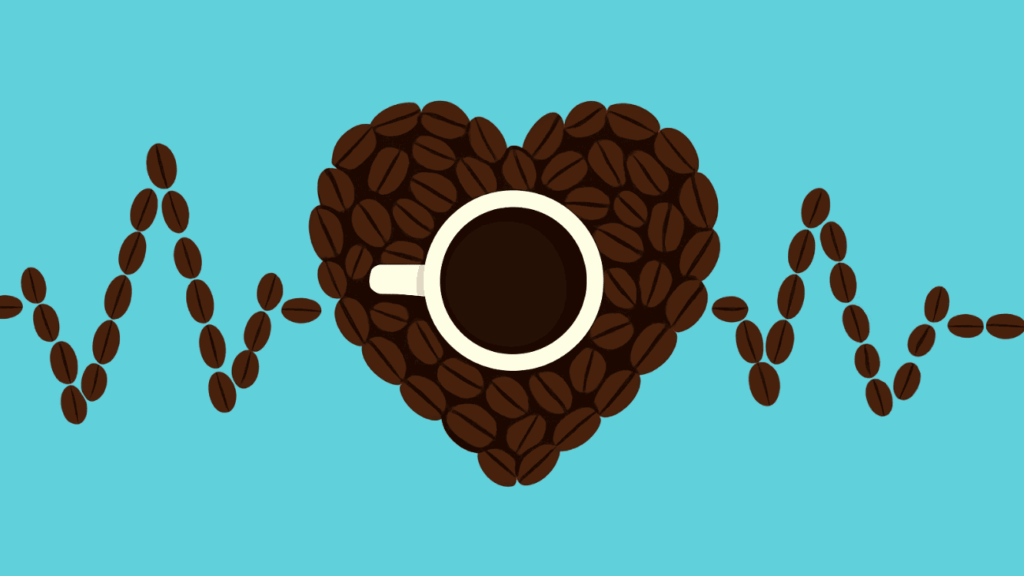
Coffee has long been one of the most widely consumed beverages worldwide. Beyond its stimulating effects, recent research has explored whether coffee and heart rhythm health are connected in a meaningful way. While this idea may sound surprising, the science behind caffeine and heart health is promising. This article explores the relationship between coffee consumption and cardiovascular safety, including insights into coffee and heart rhythm support.
Understanding Heart Rhythm and Its Importance
Atrial fibrillation (AFib) can increase stroke and other cardiovascular complications, raising questions about whether coffee affects heart rhythm stability. Maintaining a stable heart rhythm involves a combination of genetics, lifestyle, and dietary factors. While lifestyle choices are contributors to heart health, researchers are investigating if caffeine and heart rhythm can coexist safely.
Coffee and Its Key Compounds
Caffeine can temporarily raise heart rate, which is concerning for heart health, and leads many to ask, ‘ Is caffeine safe for the heart? However, coffee also contains antioxidants such as chlorogenic acids, polyphenols, and other compounds that have anti-inflammatory and cardiovascular-protective properties. These antioxidants reduce oxidative stress and support overall heart health, reinforcing the discussion around caffeine and heart rhythm benefits.
Must Read: How to Prevent Heart Disease With Simple Daily Habits
Research on Coffee and Heart Rhythm
Several large-scale studies have investigated the link between caffeine and heart rhythm disorders. Research published in reputable medical journals suggests that moderate caffeine intake may not increase the risk of atrial fibrillation. It could even be protective for some individuals, supporting findings related to coffee consumption and atrial fibrillation.
For example, a review of multiple studies indicated that moderate caffeine consumption was associated with a lower risk of developing AFib compared to non-caffeine drinkers. Interestingly, the potential benefits appear to depend on moderation. High doses of caffeine, such as consuming more than six cups per day, may increase the likelihood of heart palpitations.
How Coffee Might Support a Healthy Heart Rhythm
Several mechanisms could explain why caffeine and heart rhythm outcomes may be favorable in moderation. These combined effects create a supportive environment for a stable heart rhythm, particularly when caffeine is consumed in moderation. Take a look at the following information:
- Antioxidant Activity: Coffee’s antioxidants may reduce oxidative stress in heart tissues, which is linked to arrhythmia development
- Anti-Inflammatory Effects: Chronic inflammation can disrupt normal heart rhythms, and caffeine’s anti-inflammatory properties may help maintain stability
- Metabolic Benefits: Caffeine consumption has been linked to improved insulin sensitivity and a lower risk of type 2 diabetes, conditions that indirectly support cardiovascular health
Related Articles: Why More People Are Switching From Coffee to Matcha for Better Energy
Safety Considerations and Individual Factors
While caffeine can offer potential benefits for caffeine and heart rhythm support, it is not universally safe for all individuals. It’s important to avoid adding excessive sugar or flavored syrups, which can counteract caffeine’s potential health benefits. People with certain conditions should approach caffeine consumption cautiously, especially when considering if caffeine is safe for heart health in specific situations:
- Existing Heart Conditions: Individuals with uncontrolled hypertension or certain arrhythmias should consult a healthcare provider before increasing caffeine intake
- Caffeine Sensitivity: Some people may experience jitteriness, palpitations, or insomnia even with small amounts of caffeine
- Pregnancy: Pregnant individuals are generally advised to limit caffeine intake to under 200 mg per day due to potential effects on the developing fetus
Tips for Safe Coffee Consumption
To enjoy caffeine while supporting coffee and heart rhythm health safely, consider the following tips:
- Stick to Moderate Amounts: Two to three cups per day is generally safe for most adults and aligns with moderate caffeine intake and heart health recommendations
- Choose Quality Coffee: Opt for freshly brewed caffeine without artificial additives
- Be Mindful of Timing: Avoid drinking caffeine too close to bedtime to prevent sleep disturbances, which can indirectly affect heart health
- Monitor Heart Response: If palpitations or irregular heartbeats occur, reduce intake and consult a healthcare professional
Enjoying Coffee Safely for a Healthy Heart
Current research suggests that moderate coffee consumption can be part of a heart-healthy lifestyle and may support caffeine and heart rhythm balance. While it’s not a cure or guarantee against arrhythmias, coffee’s antioxidants and potential metabolic benefits may support a stable heart rhythm when consumed wisely. By understanding both the benefits and limits, individuals can savor this beloved beverage while supporting a healthy heart rhythm safely.


